
Are Sea Fox Boats Reliable? Composite Construction + Yamaha = The Answer
Reliability in a boat comes down to two things: what the hull is made of and what’s hanging on the back. Sea Fox answers both with all-composite construction that eliminates wood rot and Yamaha outboards that have one of the best long-term reliability records in the marine industry. Here’s the full picture — including what actually goes wrong.
Why Buyers Ask If Sea Fox Boats Are Good
Most people typing this question into Google are nervous buyers — not trolls. They’ve found a boat they like, the price is lower than Grady-White, and now they’re wondering if they’re missing something. Here’s what’s actually behind the question:
- They cost less than premium brands. Buyers wonder if the lower price means lower quality. It doesn’t — Sea Fox builds at a price point below Grady-White because they sell fishing boats, not prestige.
- They want to know if they last. Nobody wants to buy a boat that’s falling apart in five years. All-composite construction is the answer — there’s no wood in the hull to rot.
- They want to know about resale. Sea Fox holds its value well in the used market, especially with Yamaha power. They’re not Grady-White on resale — few brands are — but they’re better than most in their class.
- They don’t know anyone who owns one. Sea Fox doesn’t have the household name recognition of some brands. That’s not a quality issue — it’s a marketing budget issue. The boats are well-built. The brand is just quieter about it.
What Makes Sea Fox Build Quality Stand Out
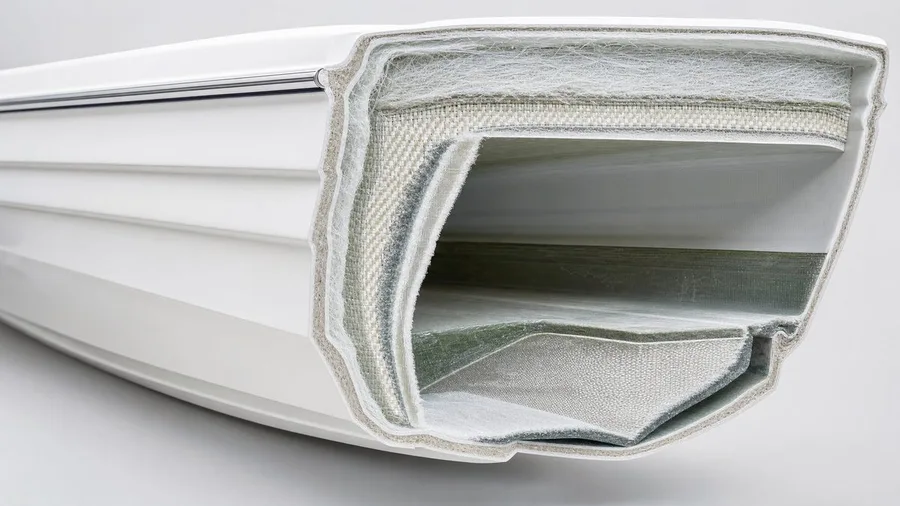
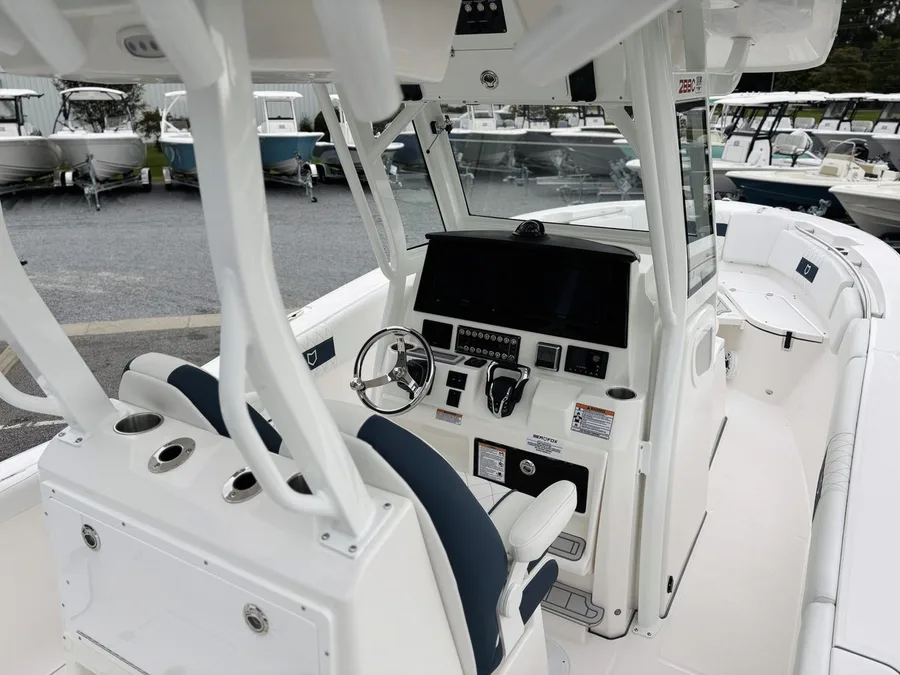
Sea Fox builds every boat — from the 231 Bay Fox up to the 368 Commander (special order) — with an all-composite fiberglass hull and deck. No wood. Not in the stringers, not in the transom, not in the deck core. If you’ve ever seen what happens to a wood-cored transom after ten years of saltwater exposure, you understand why this matters.
Reliability Starts at the Hull — Here Is What the Numbers Say
Sea Fox boats are reliable in the ways that matter most: the hull does not rot, the deck does not go soft, and Yamaha outboards do not strand you offshore capability. That is the short version. The longer version involves composite construction chemistry, engine selection, and what we have seen come back to our service department over 15 years.
Reliability is not a feeling. It is a pattern across hundreds of boats over years. We have that data. Here is what it shows.
Hull Reliability: What All-Composite Construction Means Long-Term
No Wood = No Rot = No Structural Failure
The most common cause of fiberglass boat failure over time is wood core rot. Stringers, transom, and deck cores that use wood absorb water through any crack or fastener penetration. Once wet, wood swells, weakens, and eventually rots — causing soft spots, delamination, and structural compromise. Sea Fox uses no wood anywhere in the hull structure. Composite stringers, composite transom, composite deck core. There is nothing to rot.
Isothalic Gelcoat Barrier Coat Prevents Osmotic Blistering
Osmotic blistering — bubbles that form under the gelcoat from water absorption — is the most common cosmetic and structural complaint on fiberglass boats stored in water. Sea Fox applies an isothalic resin barrier coat before the structural laminate. Isothalic chemistry is more resistant to water permeation than standard orthophthalic resin. Sea Fox is confident enough in this process to back it with a lifetime limited hull warranty against blistering.
What We See on Trade-Ins
When a 7 or 8-year-old Sea Fox comes back to us as a trade-in value, we knock on the deck, probe the transom, and check the bilge. Consistently: solid deck, solid transom, no soft spots. The boats that give us problems are boats that were stored improperly, had fasteners that were never resealed, or were used hard without regular maintenance. Those are owner variables, not Sea Fox variables.
Engine Reliability: Why Sea Fox Specs Yamaha
Sea Fox uses Yamaha outboards across the lineup. This is not a marketing relationship — it is an engineering decision. Yamaha's four-stroke outboards have the lowest failure rate and longest documented service life in the outboard market. Their dealer and parts network means you are never far from a service point.
The most common engine problems we see are skipped service intervals. Owners who follow Yamaha's schedule — oil, impeller, zincs, gear lube — rarely have unexpected failures.
What Actually Breaks on Sea Fox Boats — And What Does Not
What holds up well:
- Hull and deck structure — consistently solid over 10+ years
- Yamaha engine internals when properly maintained
- Rod holders, cleats, and hardware (316 stainless standard)
- Gelcoat color retention with routine waxing
What requires maintenance attention:
- Raw water impeller — replace annually, no exceptions
- Sacrificial zincs — inspect every haul-out
- Livewell pump strainers — clear regularly when fishing
- Bilge pump float switches — test seasonally
- Upholstery — UV exposure degrades vinyl over time without treatment
None of those are Sea Fox-specific issues. Those are saltwater boat maintenance fundamentals. Sea Fox boats that are maintained properly come back to us looking and functioning the way they left.
The Lifetime Hull Warranty — What It Actually Covers
Sea Fox offers a Limited Lifetime Hull Warranty covering structural defects in the hull and deck laminate, and osmotic blistering from water absorption through the hull. This warranty transfers to subsequent owners, which directly supports resale value.
What it does not cover: cosmetic gelcoat damage, impact damage, normal wear, or damage from improper use or storage. Read the warranty terms before you rely on any specific coverage — but the core structural coverage is genuine and enforced.
We have processed Sea Fox warranty claims. The factory stands behind them.

Brian Zimmerman has sold Sea Fox boats since 2009 and processed hundreds of trade-ins. His reliability assessments come from direct inspection of real boats after years of use — not manufacturer specifications.
Frequently Asked Questions: Are Sea Fox Boats Reliable?
How long do Sea Fox boats last?
With proper maintenance, a Sea Fox hull will outlast most owners' interest in the boat. All-composite construction means no rot timeline. Engines have a finite service life, but hulls built this way routinely last 25–30+ years without structural issues.
Do Sea Fox boats have engine problems?
Sea Fox-specific engine problems are rare. The most common issues we see come from deferred maintenance — skipped impeller replacements, ignored service intervals, or improper winterization. Owners who follow Yamaha's maintenance schedule rarely experience unexpected failures.
Are Sea Fox boats good in rough water?
The Commander series handles rough water well. The 268 Commander runs 20 degrees of deadrise — enough to cut through chop rather than pound over it. Carolina Flare keeps the cockpit dry in beam seas. The 288 and 328 Commander extend those capabilities further offshore.
Does Sea Fox have a hull warranty?
Yes — a Limited Lifetime Hull Warranty covering structural defects and osmotic blistering. It is transferable to subsequent owners, which supports resale value.
What maintenance does a Sea Fox require?
Yamaha service intervals (100 hours or annually), impeller replacement, zinc inspection every haul-out, and routine hull cleaning and waxing. Same as any properly maintained saltwater outboard boat.
